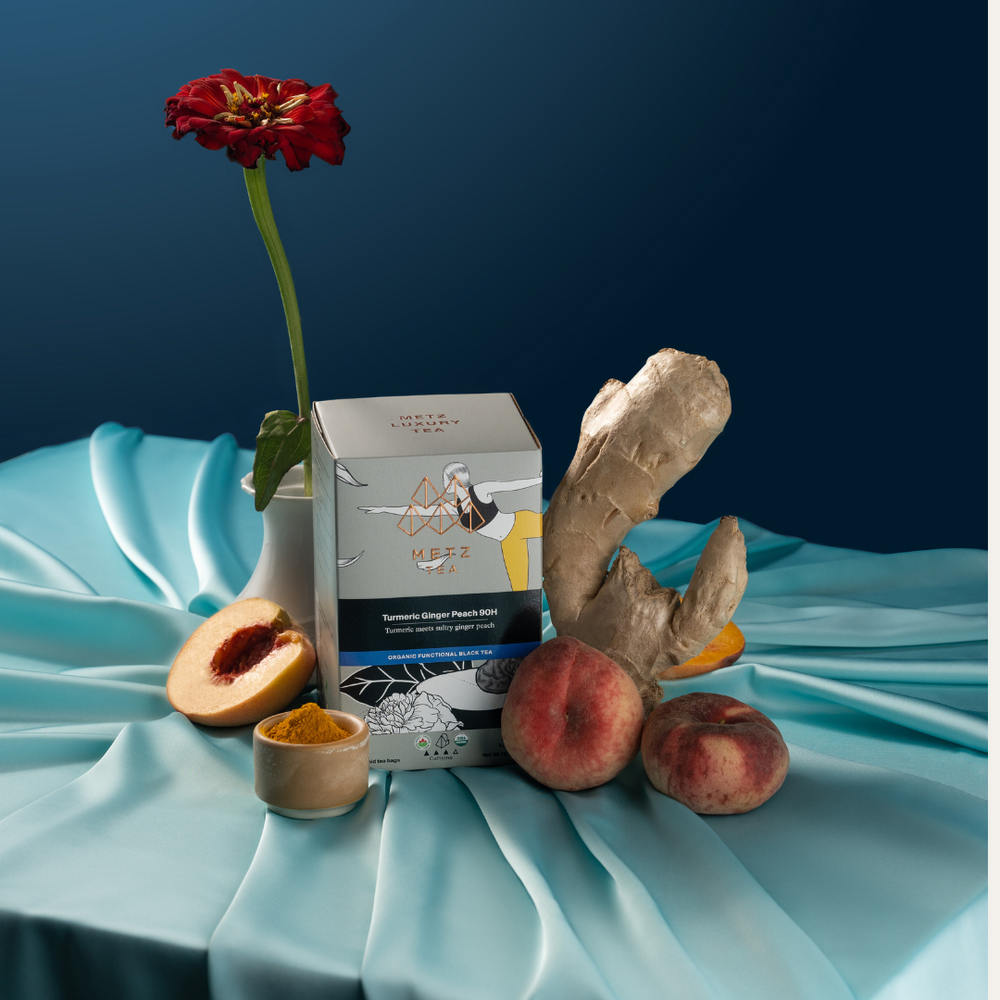
Have you ever walked into the kitchen and the air suddenly smelled “fancier” than usual—like it wasn’t just garlic and onion, but something lighter and more layered? That’s the magic of using tea in cooking.
Tea doesn’t only belong to your kettle—it can become the soul of a dish. With tea, you often get a cleaner, more aromatic flavor profile, instead of relying only on salt, sugar, and heavy seasoning. If you want a more sophisticated, tea-inspired meal without making it complicated, this guide is for you.
Today we will use "Jasmine Gold Dragon Green Tea" to cook.
Tea in Cooking: 3 Practical Methods (Beginner-Friendly)
Method 1: Marinate with tea leaves (most direct, most aroma)
Best for: chicken, pork, beef, shrimp, fish
Idea: Use tea as an aromatic seasoning. Let the flavor cling to the ingredients, then cook as usual.
Tips
- Crush the tea leaves slightly (or use a finer tea form) so it infuses better.
- In your marinade, tea pairs well with a little salt/soy sauce or a mild base seasoning.
- Marinate about 20 minutes to 2 hours depending on the ingredient.
Why it works:
Tea aroma compounds attach to the surface during marination, so when you cook, the fragrance “wakes up,” giving your dish depth from outside to inside.
Method 2: Crispy fried tea leaves (the “gourmet finishing touch”)
Best for: topping for salads, soups, fried items, rice bowls, seafood add-ons
Idea: Brew tea first, drain it, then fry until crisp. Use it like a high-end crunchy garnish.
Tips
- Make sure the brewed leaves are fully drained before frying—water = soggy.
- Fry until dry and crispy, then sprinkle right before serving to preserve aroma.
- Great texture contrast: crisp + aromatic + a subtle tea finish.
Why it works:
By frying, you protect the aroma and create a texture you can actually taste—not just smell.
Method 3: Stir-fry, then add jasmine tea liquid (for shrimp that tastes “perfumed”)
Best for: shrimp, seafood, quick stir-fry dishes
Idea: Cook the dish first, then add 2–3 tablespoons of jasmine tea liquid at the end for a rapid flavor infusion.
Tips (Important!)
- Stir-fry the ingredients until cooked first.
- Add tea liquid near the end.
- Use high heat and quick tossing—the shorter the time, the better you preserve the fragrance.
- Start with 2–3 tablespoons. You can adjust next time.
Why it works:
Heat releases the tea aroma again. When added at the right moment, you get fragrance without losing it.
Choosing the Right Tea for the Right Dish
To make tea work in cooking, pairing matters:
-
Jasmine / fragrant teas: great for meats, seafood, stir-fries (aroma base)
-
Herbal teas: better for light sauces, soup, refreshing toppings
-
Black tea notes: useful when you want warmth, color, or a deeper aroma layer
-
Fruit/spice blends: ideal for fusion dishes—especially when you want a sweet-savory aromatic twist
Tea in Cooking: The 3 Simple Rules for Beginners
-
Start small, then fine-tune. Especially with jasmine tea liquid.
-
Keep aroma as the “finish.” Add tea near the end (before turning off the heat or right before serving).
-
Treat tea leaves correctly. Crush/prepare them well, and control timing.
Next Step: Make Tea Part of Your Everyday Cooking
Tea in cooking isn’t luck—it’s choosing the right tea, using the right timing, and knowing how to “place” the aroma.
If you’re new, start with:
-
Method 3 (stir-fry + add tea liquid at the end), or
- Method 1 (marinate with tea leaves)
Both are easier to succeed with and deliver clear results.
And one friendly reminder (no lecturing): Tea isn’t only for drinking—it can be used to season, infuse, and elevate.
Want more recipe inspiration and exact step-by-step guidance? Visit our blog and pick the METZ tea you’d like to cook with—your next dish starts with tea. 🫖✨